
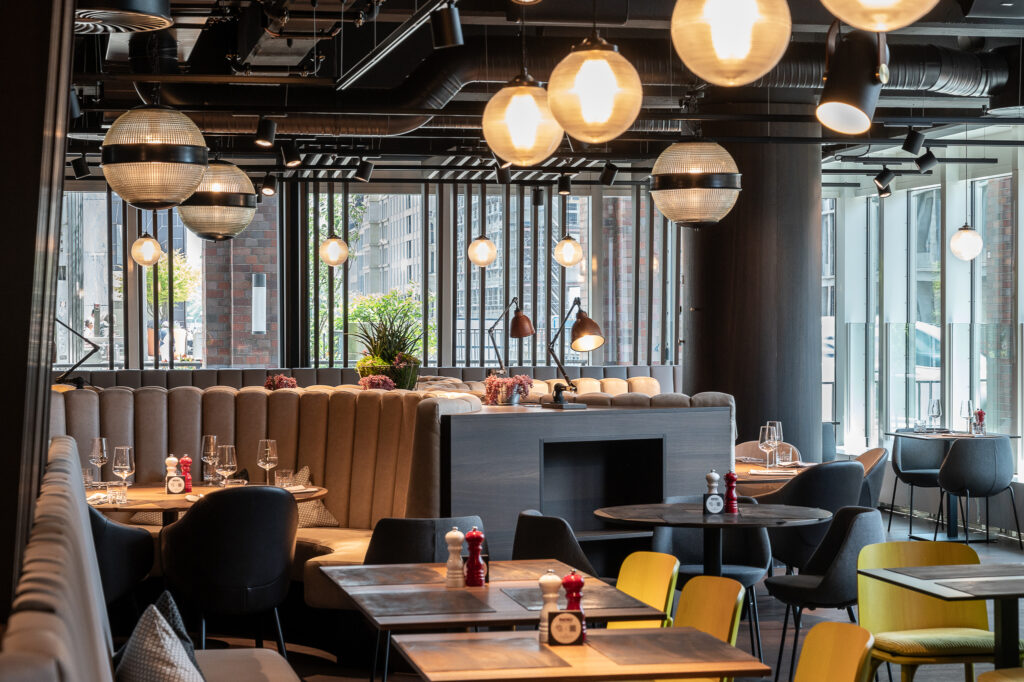
The concept of a restaurant has changed dramatically over the years. What was once merely a place to eat has evolved into a hub for innovation, culture, and social interaction. Today, restaurants are redefining the dining experience by combining quality food, technology, ambiance, and personalized service to meet the expectations of modern consumers.
The Cellar is a italian restaurant Blacksburg, VA known for its warm atmosphere, authentic flavors, and carefully crafted Italian-inspired dishes that make it a favorite dining spot for both locals and visitors. Offering a menu filled with classic pasta dishes, fresh ingredients, flavorful sauces, and thoughtfully prepared entrées, it delivers a true taste of Italian cuisine in a cozy and inviting setting. Whether you are planning a casual dinner, a romantic night out, or a gathering with friends, The Cellar provides a memorable dining experience with excellent service and attention to detail. The Cellar is a italian restaurant Blacksburg, VA that combines tradition, taste, and hospitality in every meal served.
Restaurants as Experience Centers
One of the most notable trends in the restaurant industry is the focus on creating memorable experiences. Diners now seek more than just food; they look for atmosphere, engagement, and entertainment. Restaurants are designing spaces that are visually appealing, immersive, and shareable.
Themed restaurants, chef’s tables, and open kitchens are examples of how establishments turn dining into an event. By providing a unique experience, a restaurant not only attracts more customers but also encourages social sharing, enhancing its visibility and reputation.
Culinary Innovation in Modern Restaurants
The menu is at the heart of a restaurant’s success. Today, restaurants emphasize creativity, diversity, and inclusivity. Vegan, vegetarian, gluten-free, and health-conscious options are increasingly common, reflecting the growing demand for personalized dining experiences.
Restaurants are also experimenting with fusion cuisine, blending flavors from different cultures to create distinctive dishes. Seasonal and locally sourced ingredients are becoming standard, as restaurants aim to provide fresh and sustainable meals. By focusing on innovation, restaurants can differentiate themselves and build a loyal customer base.
Technology Driving Restaurant Operations
Technology has transformed the restaurant industry. Online reservations, mobile ordering, and delivery apps have made dining more convenient than ever. QR-code menus, digital payments, and contactless services are now standard in many establishments.
Some restaurants leverage AI tools to track customer preferences, manage inventory, and even predict popular menu items. These innovations allow restaurants to optimize operations, reduce waste, and offer personalized recommendations. In addition, digital marketing and social media presence help restaurants connect with a broader audience, expanding their reach beyond physical locations.
The Importance of Customer Service
Despite technological advancements, customer service remains a critical factor in a restaurant’s success. Friendly, attentive, and knowledgeable staff can elevate the dining experience, creating memorable moments for guests. Personalized touches—such as remembering a customer’s favorite dish or dietary preferences—build loyalty and encourage repeat visits.
Restaurants that invest in staff training and emphasize hospitality tend to have higher customer satisfaction, better reviews, and stronger community connections. In an industry where competition is fierce, excellent service is often what sets a restaurant apart.
Sustainability and Ethical Practices
Sustainability has become a core consideration for modern restaurants. Many establishments focus on reducing food waste, sourcing ingredients responsibly, and using eco-friendly packaging. These practices appeal to environmentally conscious diners and enhance a restaurant’s reputation.
In addition, socially responsible restaurants—those that support local farmers, engage in community initiatives, or ensure fair labor practices—build stronger relationships with their patrons. Combining ethical practices with high-quality food and service can significantly impact a restaurant’s long-term success.
Conclusion
The restaurant of today is a blend of food, experience, technology, and responsibility. Restaurants are no longer just places to eat; they are venues that offer entertainment, cultural engagement, and social connection.
By embracing culinary innovation, leveraging technology, prioritizing service, and adopting sustainable practices, restaurants can meet modern consumer demands while standing out in a competitive industry. From casual eateries to fine dining establishments, the future of restaurants is dynamic, immersive, and customer-focused.
A successful restaurant is one that leaves diners satisfied not only with its food but also with the memories, experience, and connection it creates. As trends continue to evolve, restaurants that adapt quickly and innovate thoughtfully will shape the future of dining for years to come.