
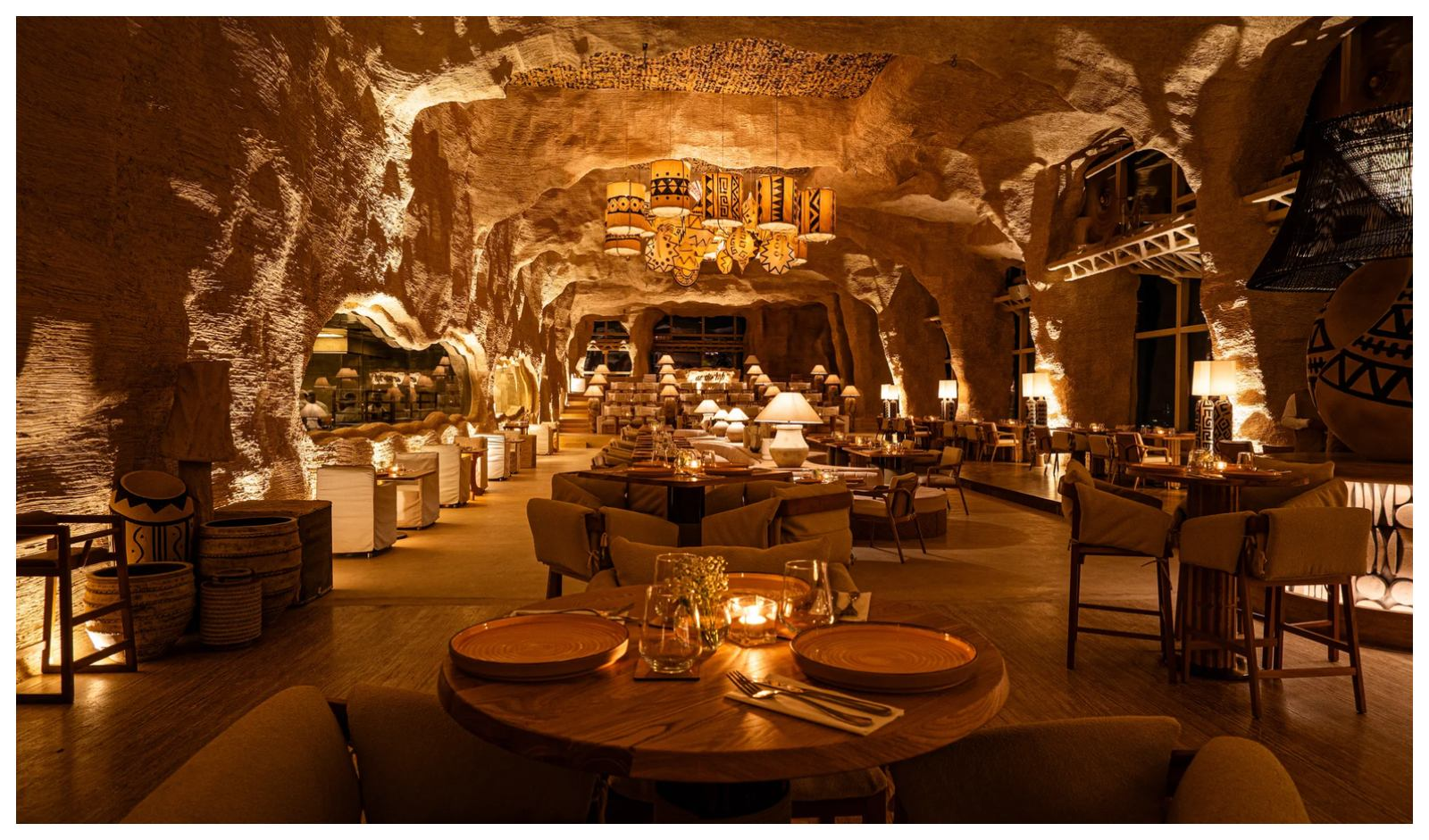
The hospitality industry is arguably one of the most volatile and fast-paced commercial sectors in existence. Launching a culinary concept requires immense passion, creativity, and financial backing, but keeping the doors open profitably requires a completely different set of skills. Between razor-thin profit margins, fluctuating wholesale food costs, and an unforgiving labor market, running a successful restaurants business demands elite operational discipline alongside great food.
Today, successful dining establishments are treating hospitality less like an art form and more like a high-performance, data-driven enterprise.
Overcoming the Margin Squeeze
The financial reality of the food service industry is stark. Average profit margins hover between 3% and 5%, meaning there is virtually zero room for error when managing inventory, waste, and overhead.
- Dynamic Menu Engineering: Tracking item-level profitability and popularity is vital. Restaurateurs use point-of-sale (POS) analytics to identify high-margin dishes, phase out underperforming menu items, and adjust pricing instantly when ingredient costs spike.
- Inventory Minimization: Food waste directly erodes the bottom line. Utilizing automated inventory tracking and predictive ordering prevents over-purchasing perishables and keeps food cost percentages tightly controlled.
- Labor Optimization: Staffing inefficiencies—such as over-scheduling during slow Tuesday afternoons or understaffing a Friday rush—destroy profitability and service quality. Modern operators rely on sales-forecasting software to build precise, data-backed shift schedules.
The Evolution of the Guest Experience
Today’s diners expect far more than a delicious meal; they demand convenience, personalization, and a seamless digital interface from the moment they discover a venue online.
The Digital Front Door: A restaurant’s website, reservation platform, and social media presence serve as the primary tasting menu for prospective guests. If online booking is clunky or the mobile menu is unreadable, patrons will move to a competitor in seconds.
Furthermore, integrating contactless payment options, online ordering for pickup, and personalized loyalty programs helps capture valuable customer data, allowing establishments to turn first-time diners into lifelong regulars.
Conclusion: Balancing Passion and Precision
Thriving in the culinary space requires a delicate equilibrium between artistic hospitality and unyielding operational analytics. By tightening inventory controls, leveraging POS data, and refining the guest journey, restaurants can safeguard their profit margins and build sustainable, beloved dining institutions.